


A Data Driven Approach to Happiness
What Science Tells Us about Happiness
What Makes Us Happy?
Financial decisions play a pivotal role in shaping both short- and long-term happiness. Research from the Harvard T.H. Chan School of Public Health suggests that prioritizing experiences over material goods, giving to others, and maintaining financial stability are linked to higher well-being. (source harvard.edu).
Experiences over Material Goods
Experiences create lasting memories and social connections, which contribute to long-term happiness. *nature.com

Charitable Giving
Spending money on others or donating to charity has been shown to boost happiness.
Learn more

Financial Stability
A financial safety net such as an emergency fund can reduce day-to-day stress and may contribute to a greater sense of stability over time.

How Spending Impacts Happiness
A 2024 study published in Communications Psychology found that experiences, charitable donations, gifts, personal care, and education were among the spending categories most linked to higher happiness. The graph below provides insights into which spending types contribute more to happiness, aiding personal financial planning.

*Stenlund, S., Guo, Y., Rights, J. et al. How spending decisions shape happiness in everyday life. Commun Psychol 2, 124 (2024). https://doi.org/10.1038/s44271-024-00166-6
This multinational study tracked how 200 participants from seven countries spent a one-time $10,000 windfall and measured how each purchase affected their happiness. Five categories stood out as most linked to higher happiness with purchases: charitable donations, gifts to others, experiences, personal care, and education.
At T. Mann Financial, we help clients translate these long-term priorities into concrete financial decisions, from where to direct charitable giving to how to fund family experiences over the next ten years.
The Happiness Advantage
By Shawn Achor
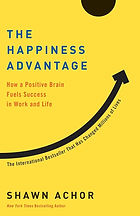
My personal views on happiness have been heavily influenced by the psychologist and author Shawn Achor. Here are some of the key takeaways from his book "The Happiness Advantage" (2010).

Where a financial planner can help
A financial planner can help individuals align their financial decisions with personal values and life goals, fostering intentionality that can lead to greater long-term happiness and well-being.
T.Mann Financial's 3 Step Approach
-
Clarify Your Goals – We start with a conversation to identify what success and happiness mean to you, beyond just financial metrics.
-
Identify Misalignment – We assess how your current spending, time allocation, and financial decisions align, or don’t, with your true priorities.
-
Intentional Realignment – Together, we develop strategies to shift your time, money, and attention toward the people, experiences, and causes you've identified as most important.
Intentional "Use Buckets"
401(k)s work well because they have a clearly defined future use (retirement) and are kept separate from other funds.
One practical way we achieve this is by creating goal specific buckets that can help us reduce decision fatigue and the guilt that is associated with some types of spending.
Some clients put this into action using the envelope method or online savings accounts that can be directly linked to financial planning software, like the kind T. Mann Financial uses, providing real-time tracking and seamless integration into their overall plan.


Automation is Key!
401(k) contributions are typically automatic. The same out-of-sight, out-of-mind effect works for everyday savings buckets when you set up recurring transfers.
Utilize Tax Advantages If Possible
Many retirement accounts offer tax-advantaged contributions, which can reduce the short-term sting of setting money aside. Where appropriate, we'll help you take advantage of these vehicles inside your plan.
Strategically Identify & Engage Allies
Surrounding yourself with the right people can be key to realigning yourself toward what truly brings you happiness.
Who are your allies? Mentors, friends, or financial advisors
These should be people that can: support, guide, and keep you accountable. These allies can help you refine priorities, navigate challenges, and stay focused on your values. Seek out those who uplift, inspire, and share your vision for a fulfilling life.
Reduce exposure to individuals or influences that create barriers to your happiness, whether through negativity, pressure, or conflicting priorities.

Oregon Specific Examples
Making thoughtful financial decisions and planning effectively can help foster happiness.
How your life can benefit
Imagine a Eugene resident named Sarah. She was feeling overwhelmed by her finances and unsure how to plan for the future. She partnered with T. Mann Financial, and over time we helped her build a plan that aligned her financial decisions with her values, including support for a local animal-welfare nonprofit she cared about, and room in the budget for the McKenzie River trips and Skinner Butte Park walks that recharge her. With clearer structure around her money, Sarah found she felt more stable, less stressed, and able to invest more of her resources into the parts of life that mattered most to her here in Oregon.


Or imagine John, a lifelong Springfield resident. He came to T. Mann Financial to secure his future and find ways to give back to the community he grew up in. We worked together on a plan that built long-term stability and also let him direct meaningful charitable giving toward Oregon coast conservation, an area he visits often and cares about deeply. By aligning his financial goals with his values, John found that his money was working for his future and his community at the same time.